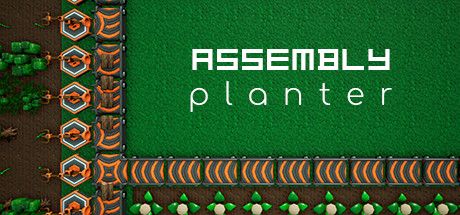
Assembly Planter
Farm by hand, automate the farm, then compress your entire production line into a single machine and do it all again smaller. The factory must grow, but here it must also shrink.
by Timon Herzog · 4 Aug, 2020 · Steam (Windows)
Assembly Planter begins with a poor, hard-working farmer and a few old tools, and ends, in the developer's own words, with a lazy rich guy watching machines do everything while he optimizes. That arc is the entire genre promise of automation games, but Timon Herzog's 2020 indie adds one twist that separates it from the factory-game pack: you can combine an entire setup of machines into one single machine. Whole production lines collapse into a single tile, and a well-designed combined machine can produce insane amounts of resources from an absurdly small footprint.
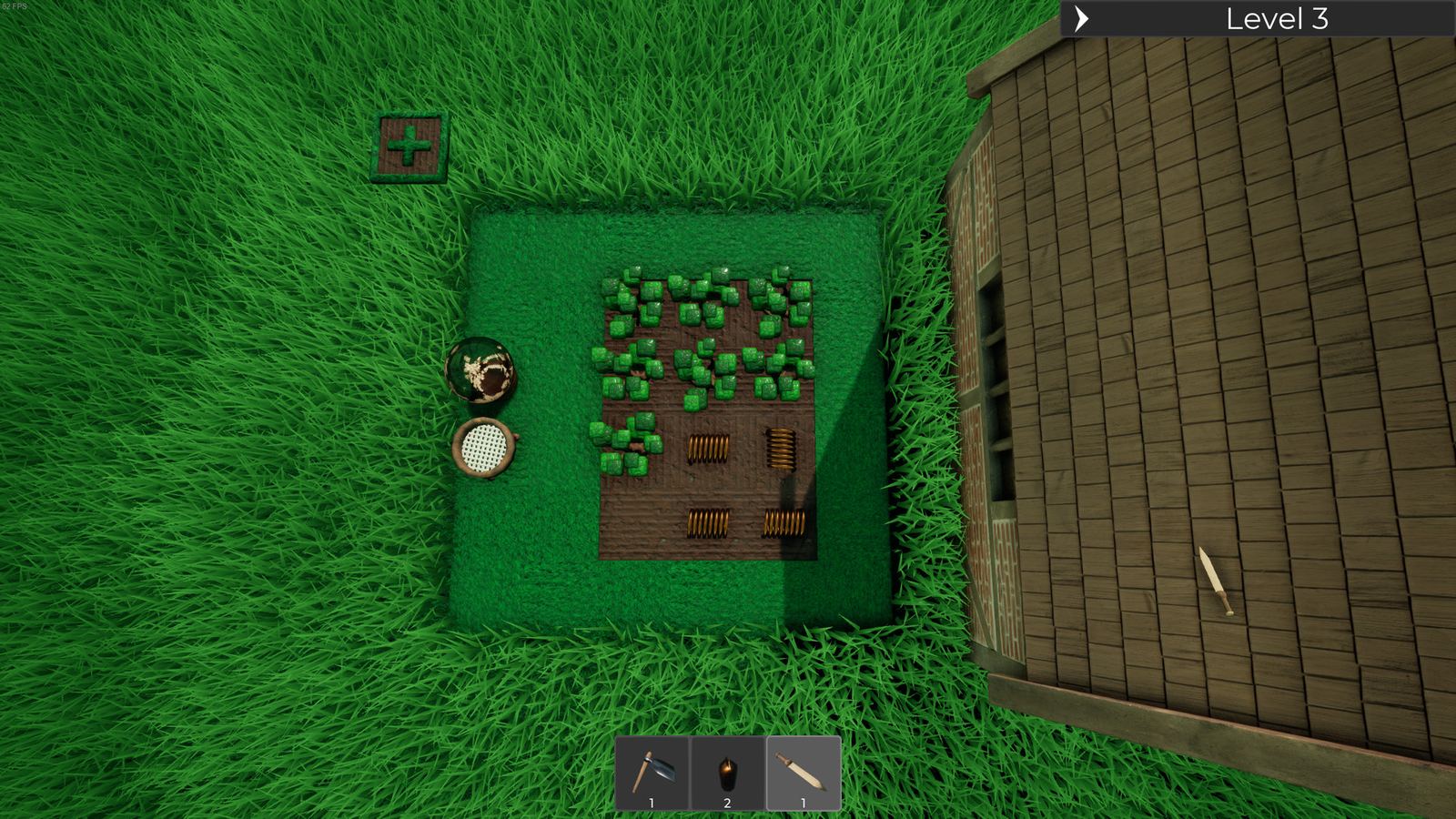
What the loop feels like
You plant crops by hand, sell them, and buy your first automatic planter. That's Assembly Planter.
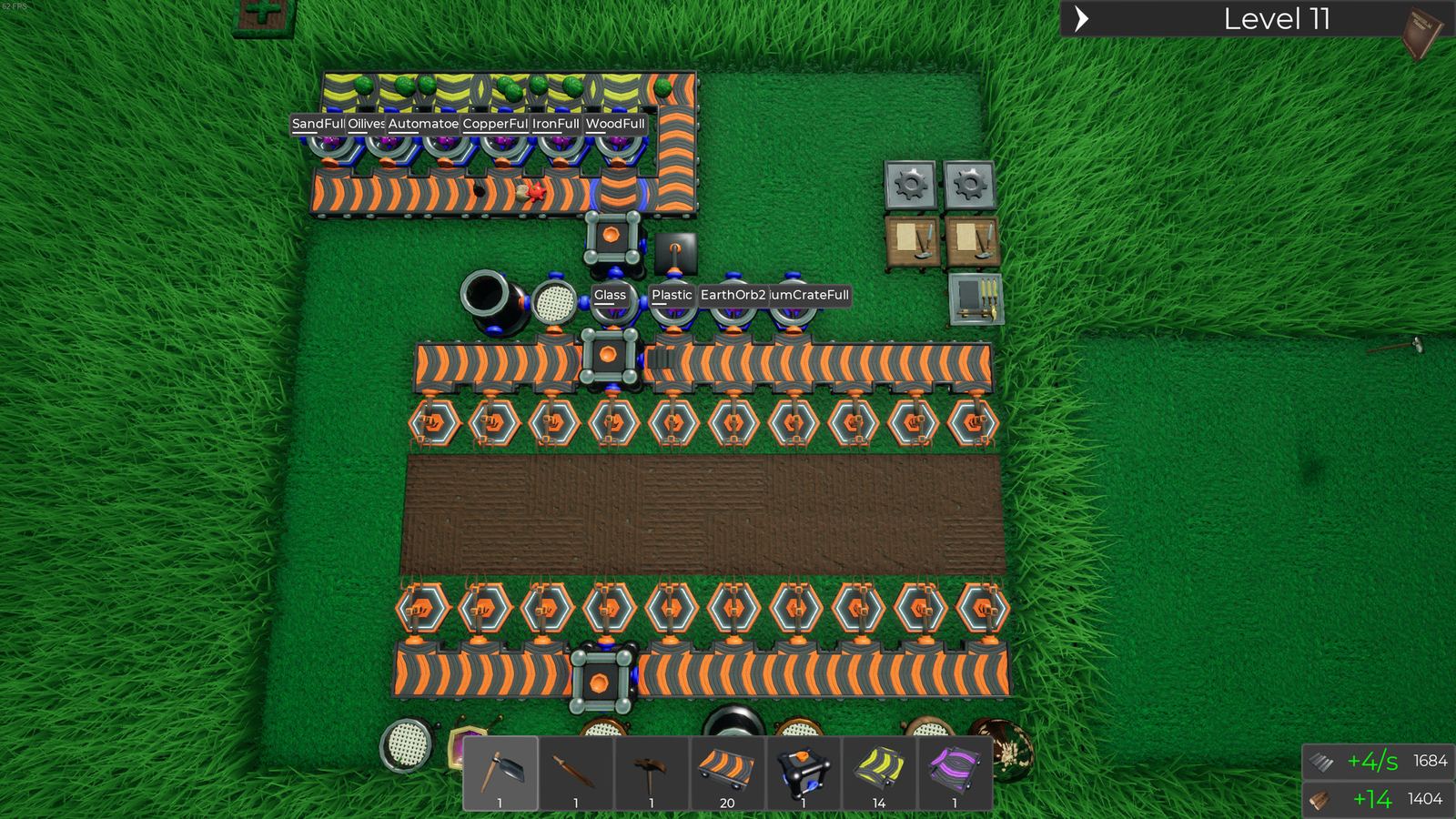
Conveyors and filters appear, the field fills with harvesters and processors, and your job changes from farming to traffic management. That's Assembly Planter.
You compress the whole sprawling mess into one combined machine, free up the land, and start building a better version in the space you just made. That's Assembly Planter, and it is the rare automation game where the endgame reward is getting your farm back.
The systems under the soil
The production layer covers the expected pipeline with unusual clarity: automatic planters seed, harvesters collect, and resource processing machines convert raw crops into more valuable outputs. The logistics layer is conveyor belts plus several types of item filters, and sorting becomes the real puzzle once multiple products share the same belt. Neither layer alone would distinguish it from its peers.
The distinguishing system is machine combining. Once unlocked, you select a functional setup, planter to harvester to processor, and fuse it into one machine that behaves as a single unit. Compounding is the natural result: a combined machine can itself be part of a larger setup, which can then be combined again, so the game's space economy keeps collapsing inward as your output grows. This inverts the usual factory-game pressure, where sprawl is the enemy you manage by zoning; here sprawl is temporary scaffolding, and elegance is the score. The idle payoff is honest: leave the combined machines running and the lazy rich guy fantasy pays out exactly as advertised.
Where it stumbles
The presentation is minimal and the early manual-farming stretch lasts longer than modern automation players may tolerate. Feedback on whether a redesign actually helped is subtler than in big-name factory titles, so improvements can be hard to read until the numbers settle. Content depth, while generous for the price, does not reach the endless interlocking-tech heights of the genre's heavyweights. It is a focused, one-developer game, and it plays like one in both the charming and the rough-edged senses.
Playing it today
Live on Steam for Windows at a modest price, single-player and fully offline. No Steam Cloud or achievements on the listing, so treat your save folder with respect. The platform check found no iOS or Android release by the same developer, so there is no legitimate mobile version to link.
The verdict
A gentle, clever entry point into automation games, with one genuinely novel mechanic and a power fantasy about laziness that the game delivers on schedule. If the conveyor itch survives, A Mining Game scales the logistics up dramatically, and for idle-first pacing with less hands-on building, NGU Industries trades belts for number-go-up.
If you like Assembly Planter
mechanic-matched
Farm Together 2
A real-time co-op farm that keeps growing while you are gone

Sixty Four
One button, one machine, one stark white room, and a factory that assembles itself out of cubes and mysteries.

To The Core
Crash a drilling ship through planet after planet, layer by layer, until the core of the sun itself gives in. Very Positive, and the grind is the point.
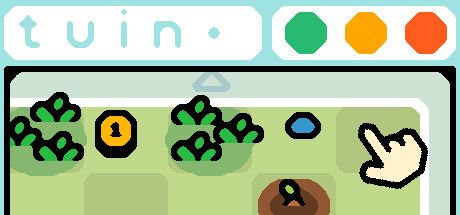
Tuin
Sokpop's tiny idle garden: plant seeds, pull weeds, automate the whole thing with conveyor belts, and go do something else.