Knights and Dungeons
A pocket-money clicker RPG with 330 dungeon floors, auto-battle, a gym and a bank. Honest about being simple, and simple about being honest.
by Pixelabor · 12 Jul, 2020 · Steam (Windows)
Knights and Dungeons is a game that knows exactly what it is. Pixelabor released it on Steam in July 2020, describes it as inspired by Clicker Heroes, openly admits there is no story worth mentioning, and points you at the only goal that matters: descend as many dungeon floors as your knight can survive. It costs less than a coffee, runs on any machine that can open a window, and does not waste a single byte pretending to be anything grander.
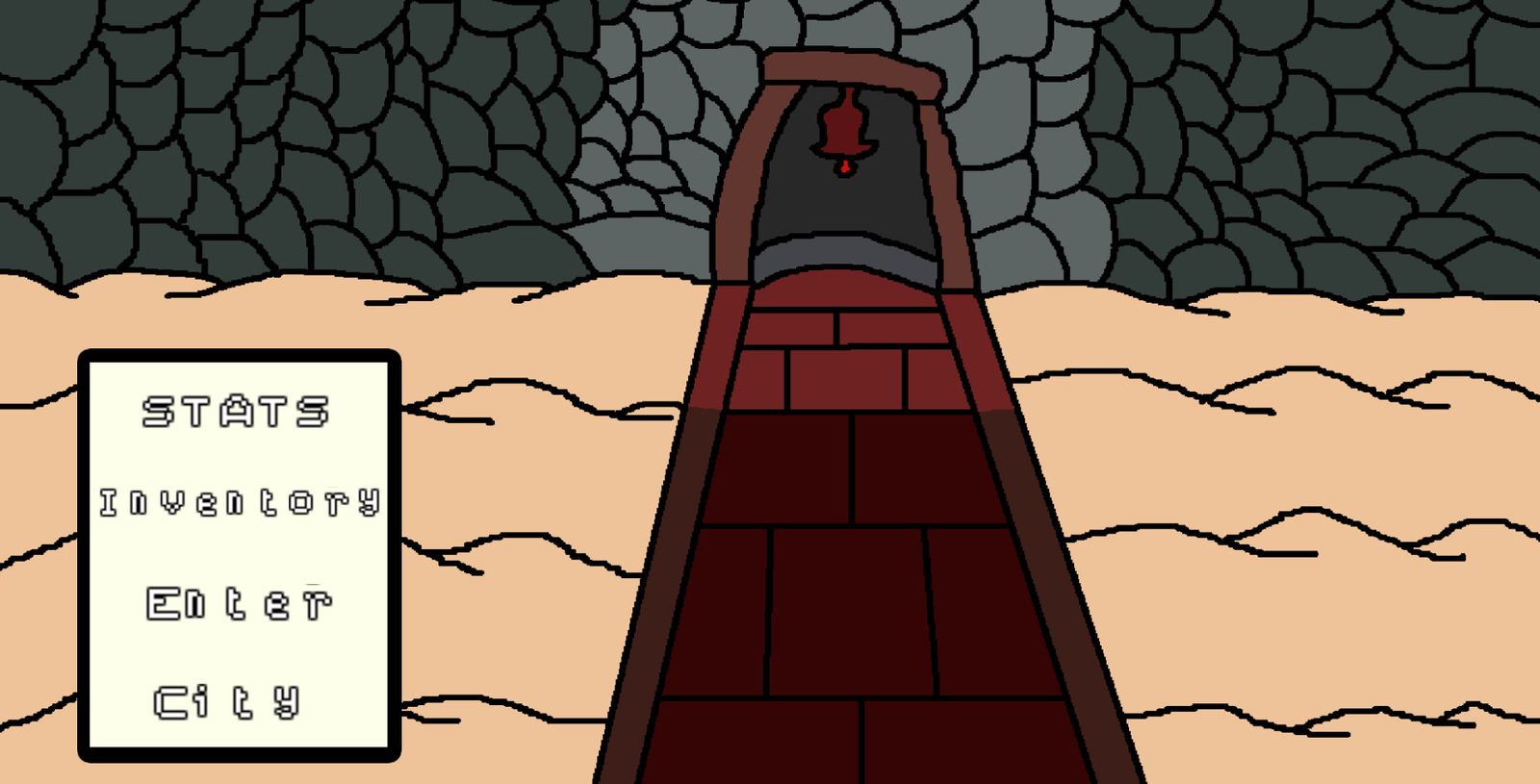
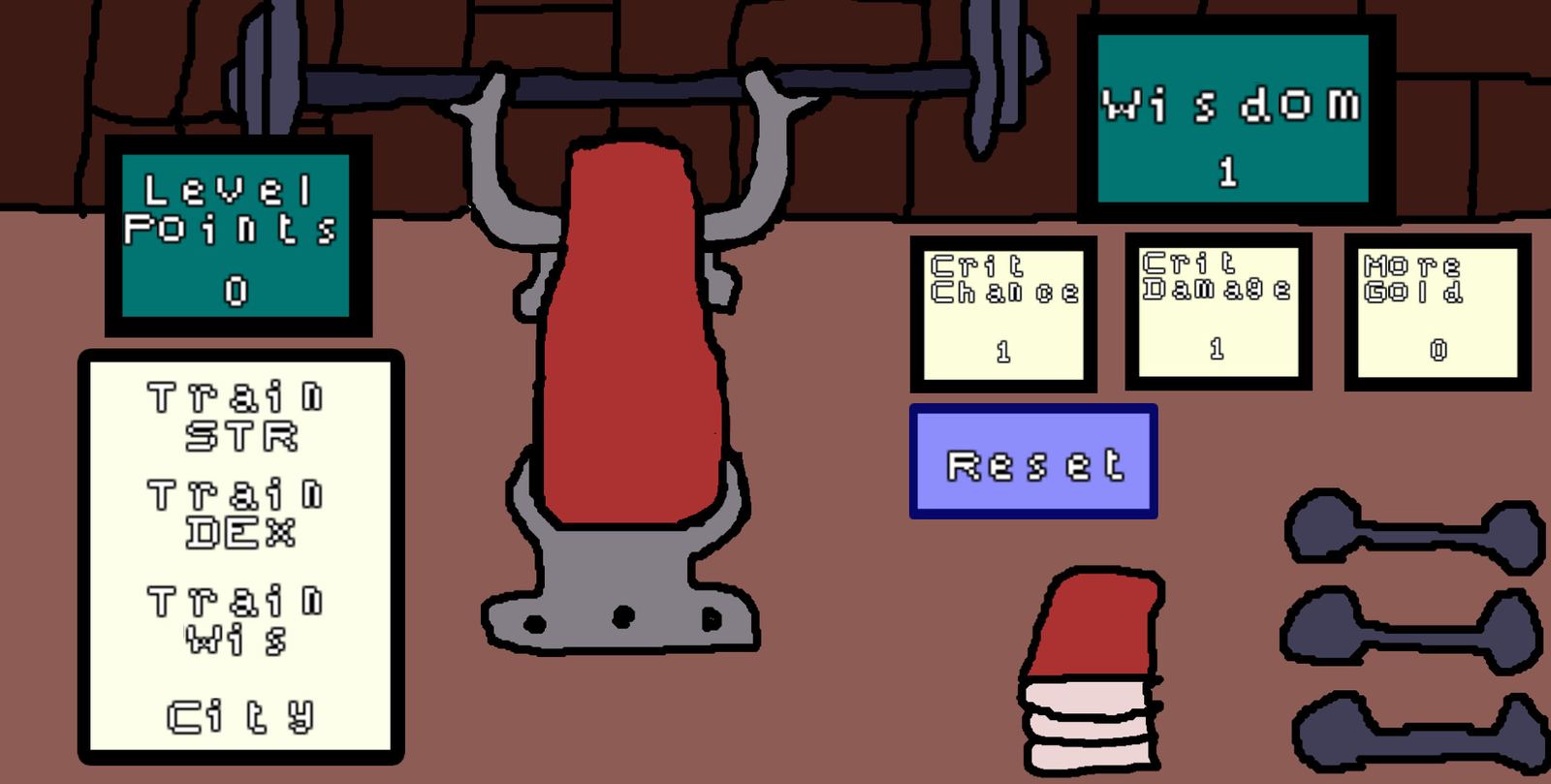
The skeleton: 330 dungeon levels, auto-battle as the default state, ten tiers of equipment with the last tier upgrading when rebought, and side rooms that give the loop its flavour. A gym where your knight lifts weights for talents. An academy for talents of a different kind. A tavern, and a bank for your coin. It is a small game with small systems, arranged cleanly.
What the loop feels like
Your knight walks right, hits something, and numbers fly off it. That's Knights and Dungeons.
You buy a sword tier, lift something heavy at the gym, and suddenly the thing that blocked you an hour ago dies in one hit. That's Knights and Dungeons.
You leave it running, come back, bank the gold, and push another twenty floors. That's Knights and Dungeons, and at this price point it delivers exactly the loop it promises, no more and no less.
The thirty-enemy problem
Here is the fine print the store page buries and the developer openly admits in the description: there are only 30 unique enemies in the entire game. Beat the first 30 floors and everything after is the same bestiary on repeat, re-skinned by difficulty rather than design. The 330 floors are real, but they are a wall-climb, not a journey. Combined with combat that is fully automated, the strategic layer thins out fast: your meaningful decisions are equipment purchases, gym training, and when to push versus when to farm.
Community feedback is consistent on this. The core is functional, the grind is real, and the rewards for deep pushes feel weaker than the effort they demand. Reviewers flag the basic UI and rough font choices alongside the repetition. It is a Mostly Positive game whose negatives are all the same negative: not enough game.
Where it stumbles
Measured against the giants it cites as inspiration, it falls short on every axis that matters in the genre: no talent trees to speak of, no meaningful ascension loop, no community economy of guides and builds, and an enemy roster that starts repeating before you have settled in. There are free browser incremental games with hundreds more hours in them. The counterargument is the price: this is a two-dollar curiosity, and at that number the calculus changes from worth it to harmless.
Playing it today
On Steam at a pocket-money price, Windows only, single-player. No Mac or Linux build, no mobile version, and the developer's own notes leave future updates open-ended rather than promised.
The verdict
A function-over-form dungeon clicker that will occupy a laptop for a quiet weekend and then be forgotten without resentment. Completionists of the ultra-cheap tier will get their money's worth; everyone else should treat it as a snack between real meals. Better-fed alternatives in the same sub-genre include Idlers and Dungeons, Endless Dungeon and the two Soda Dungeon games, and the obvious heavyweight comparison remains Clicker Heroes.
If you like Knights and Dungeons
mechanic-matched
Loot Hero DX
A knight who only knows one direction, a dragon at the end of the map, and a grind that runs itself in the background. Mixed on Steam, honest about it.

Incremental School Tap Battle
Tap-powered brawls, a gacha support crew and a boss every ten stages: detention as an idle game.
AdVenture Communist
Worth your timeThe idle game with missions instead of mindless clicking: potatoes in, Supreme Einsteins out.
AI Tycoon
A satirical idle clicker about replacing every job on Earth with AI, one agent.exe click at a time.