
Lyca
Run a magical wolf across a dead wasteland until it blooms green, then do it faster. Mostly Positive, bite-sized, and done in an afternoon.
by Syphono4 · 2025 · Steam
Lyca hands you one wolf, one dead brown wasteland, and one instruction implied rather than spoken: make it green again. Syphono4's compact incremental, built by a solo developer who later published a public postmortem, turns terraforming into a movement game. You run, you plant grass, the grass glows, and every loop of the meadow feeds a talent tree that makes the next loop quicker. At a budget price and a three-to-four-hour campaign, it is the opposite of a hundred-hour timesink, and it earns a Mostly Positive rating by knowing exactly how big it wants to be.
What the loop feels like
You sprint a circuit, grass sprouts behind the wolf, and you carve through the glowing patches again to harvest what they grew. That's Lyca.
A wall of stubborn ground refuses to break, and the strength upgrade you bought ten minutes ago suddenly pays rent. That's Lyca.
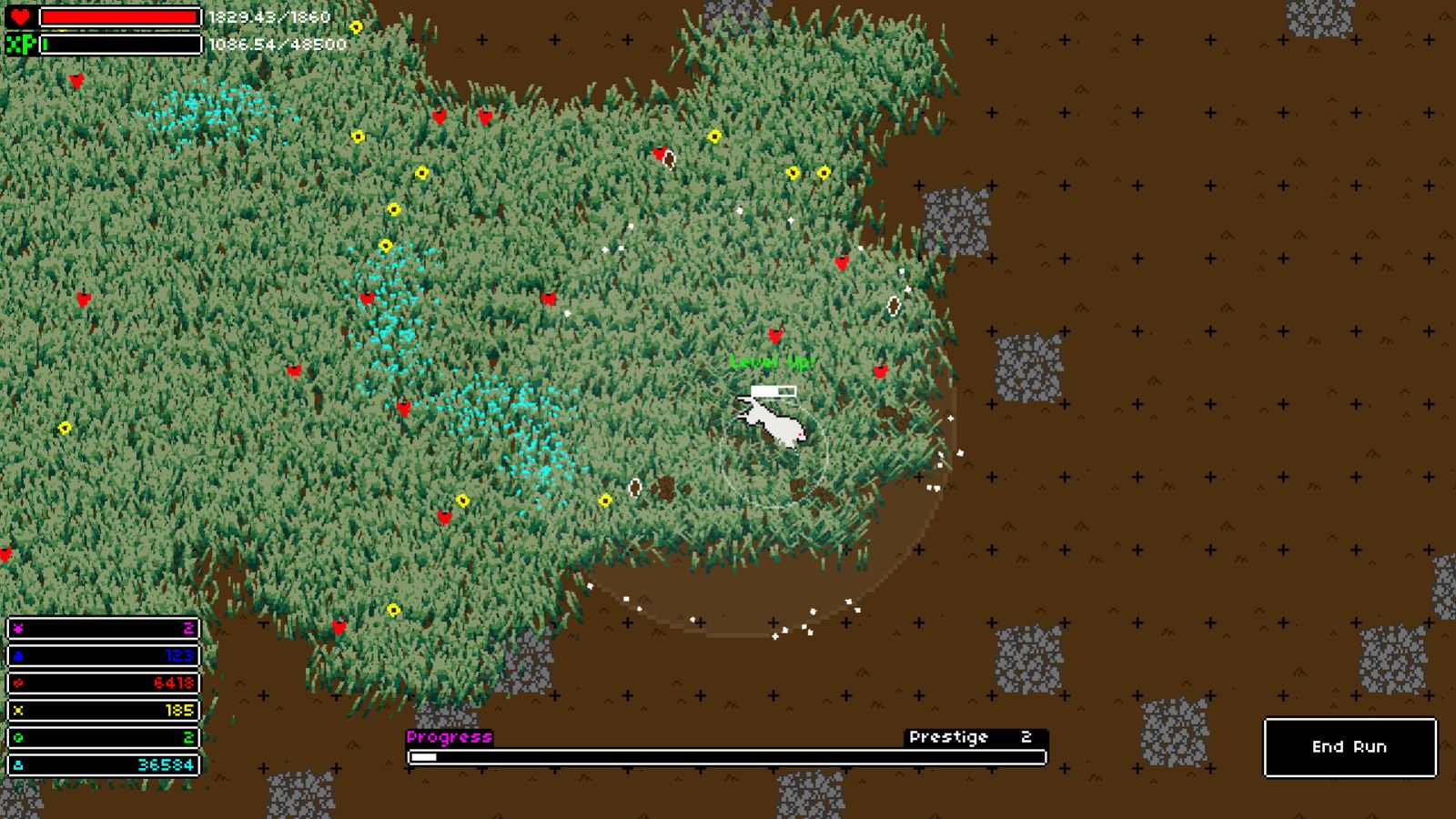
The screen fills green, the lo-fi track hums, and periodic pulses start doing the running for you. That's Lyca.
The systems in the meadow
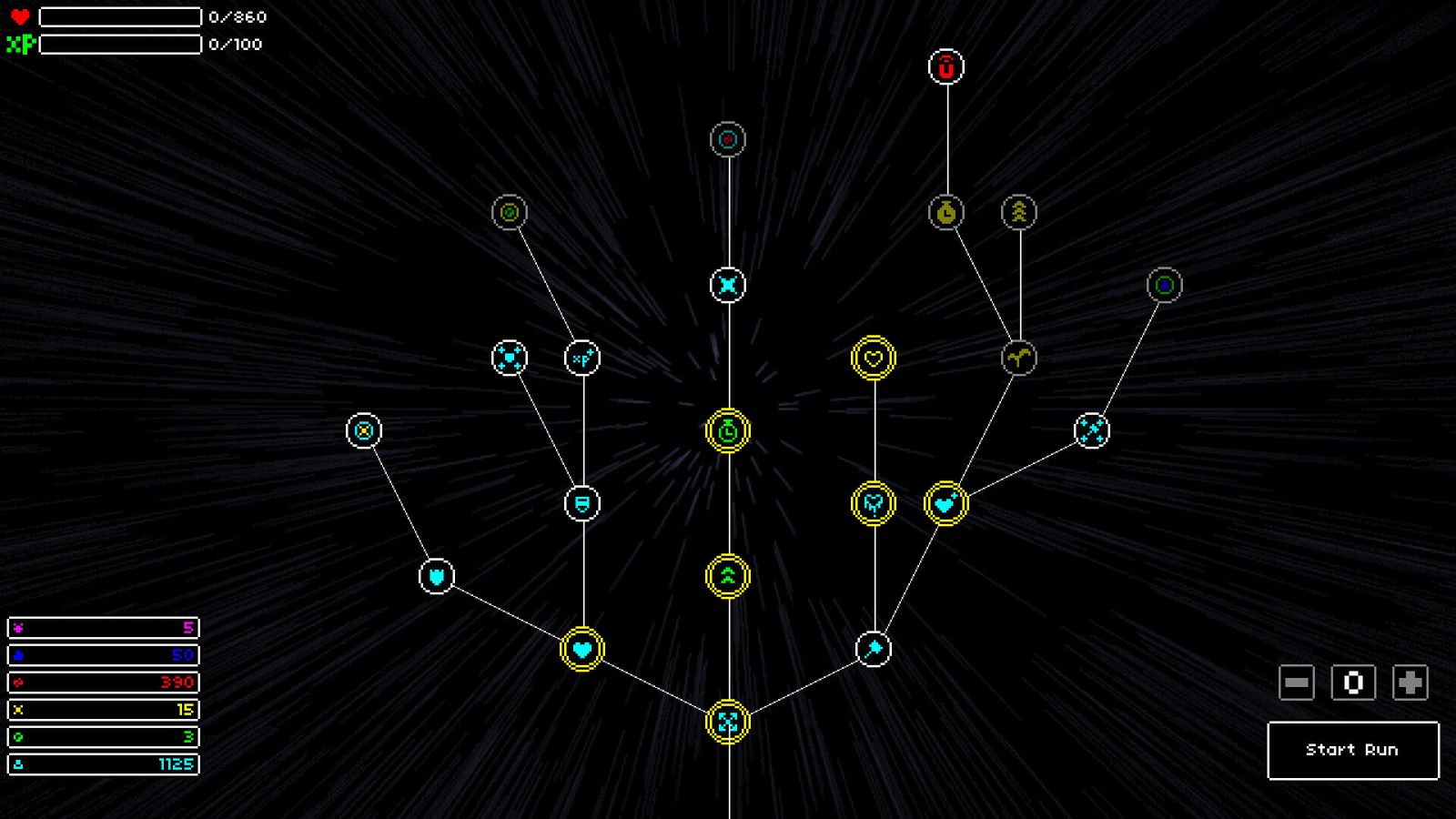
Movement is the core verb: WASD across the map, planting and activating patches of grass that generate experience and green resources, with active plots harvestable by running through them. Terrain fights back, since stubborn ground requires accumulated strength to crack before planting. Flora adds texture and economy: sunflowers spawn randomly and pay yellow resources, roses carry specialized materials, and the talent tree spreads investment across movement speed, activation range, energy capacity, regeneration, armor and terrain-breaking strength. Energy decay and damage scale up as your footprint grows, which gives the expanding meadow a genuine risk-reward edge. The late curve is automation-first: higher spawn rates, magnet collection, and automatic periodic pulses that terraform while you watch, capped by a prestige reset that trades meadow progress for permanent multipliers at the cost of harsher decay and damage.
Where it stumbles
The community's most repeated complaint is the ending: right as upgrades get interesting and idling kicks in, the game stops, leaving players who wanted a deep endgame loop with a couple of reset buttons and silence. Once the skill tree is nearly maxed, active play drops off steeply, so the final stretch is more ceremony than challenge. Early builds stutter when the screen fills completely with grass physics, and early builds had minor offline-progress quirks. None of this is disqualifying at this scope; it is the difference between a lovely afternoon and a permanent rotation fixture.
Playing it today
Live on Steam at a low price, single-player, Windows. Desktop-only at check: the iOS listing named Lyca Mobile AU is a telecom carrier app with no relation to this game, the kind of name collision that makes platform verification worth doing.
The verdict
A perfectly formed micro-incremental: green the map, max the tree, roll one prestige, and walk away satisfied instead of chained. If you want that feeling stretched across weeks instead of hours, Tap Wizard 2 is the free next step.
If you like Lyca
mechanic-matched
Croakoloco
A relaxing frog-collecting idle where you buy packs, feed flies, breed rarities, and occasionally possess a frog to hunt golden flies yourself. Very Positive.

To The Core
Crash a drilling ship through planet after planet, layer by layer, until the core of the sun itself gives in. Very Positive, and the grind is the point.
The Perfect Tower
Worth your timeA minimalist 3D tower defense incremental, finished in favor of its own sequel.

Time Clickers
Worth your timeAn FPS you play by standing still: Proton Studio's target-range idle with cube teammates.