
Naxos
An auto-battler RPG with no menus, no sprawl and three buildings: the whole genre compressed to its skeleton.
by Pixelabor · 9 May, 2022 · Windows
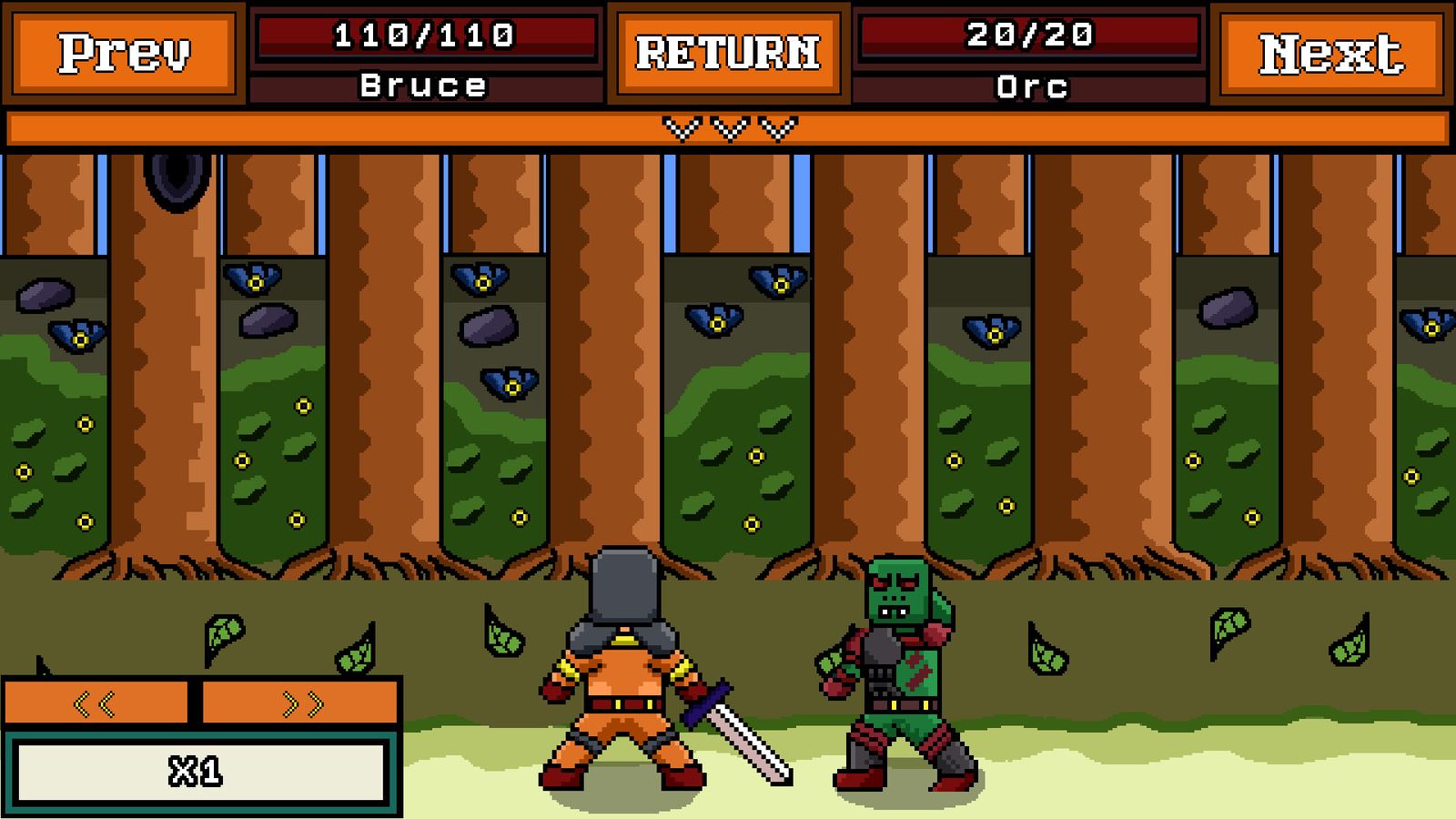
Developer Pixelabor opens the Steam page for Naxos with a confession rather than a pitch: this is like all of my other games, and I really want to keep moving the auto-battle RPG genre forward. The result, released in May 2022, is the genre compressed to its skeleton. No sprawling menus, no town screens, no inventory tabs. Everything in the game lives in three houses, and the battles fight themselves.
What the loop feels like
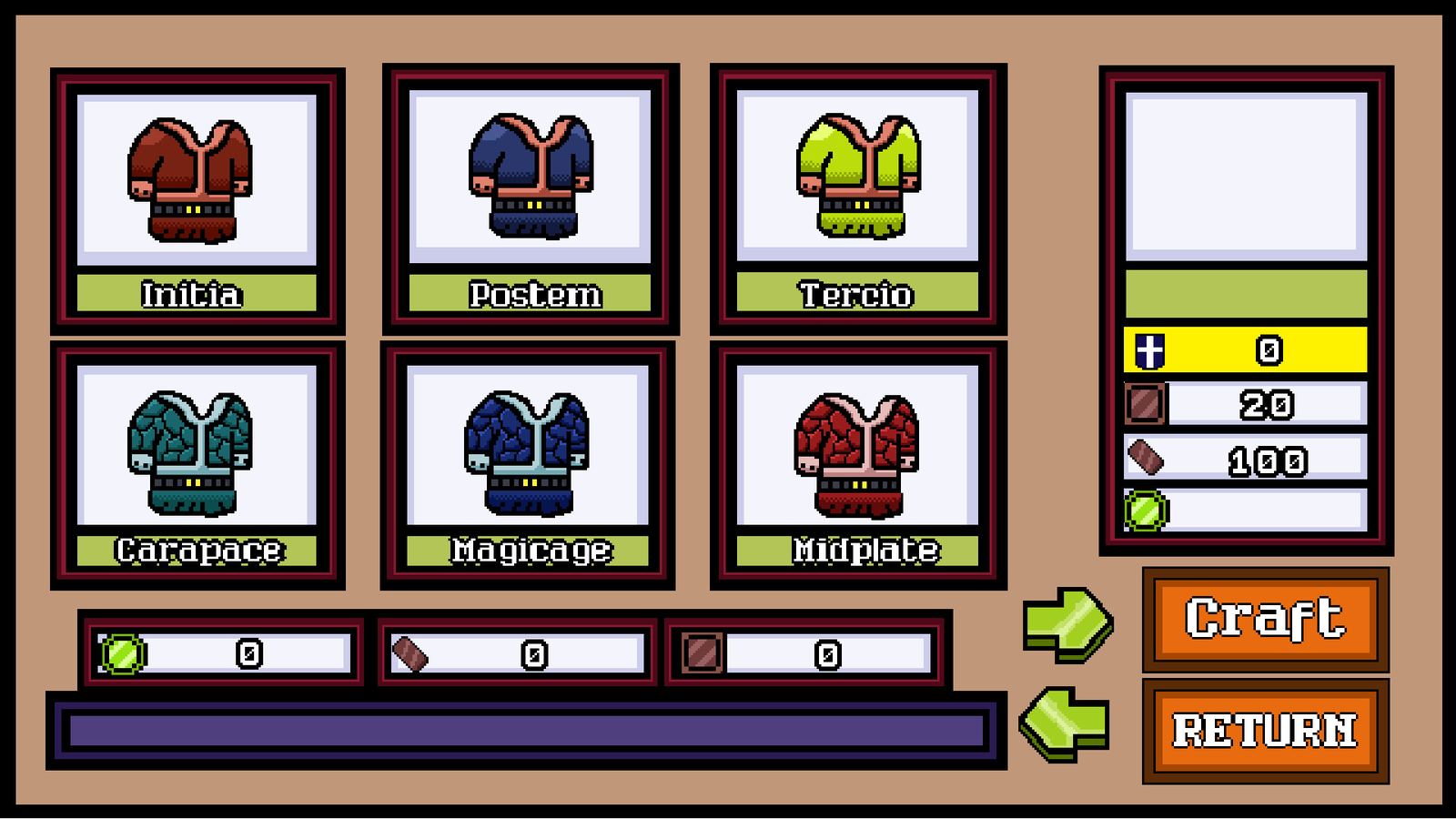
You spend your winnings at the houses. One house makes you hit harder, one keeps you alive, one feeds the loop that pays for both. Battles resolve automatically while you watch, and losing tells you exactly which house you underpaid. There is craft equipment to forge, abilities to learn at the Academy, ore to mine, and ten scenarios against ten unique enemies to push through.
You find a stable setup where the wins arrive faster than the gold costs, park your brain, and let the numbers climb. When the milestones stop surprising you, you realise the game was always this small. That's Naxos.
The systems doing the work
The Ultra-Compact Hub is the thesis statement: the entire world and upgrade ecosystem run through three central houses instead of the genre's usual menu sprawl. Automated Combat replaces direct input entirely, so the game is about preparation and build optimisation rather than twitch play. The Incremental Loop feeds victory resources back into those hub structures, while Stat Scaling and Optimisation handles growth through compact numeric upgrades instead of skill trees, letting you pivot your build between cycles. The Efficiency Focus is the real endgame: progress is measured by how fast you can trim your setup until each automated cycle clears without waste.
Where it stumbles
The criticisms are consistent, and the biggest one is length: it is fully completable in about three hours, an evening of background play rather than a long-haul idle. Reviewers note the loop lacks meaning and legibility, with no proper tooltips and resource names that never get explained, so the game is more opaque than it is deep. The presentation reads as a rough prototype, with sub-par UI and graphics, and the milestones turn monotonous quickly. Community and sales metrics were low enough that the game historically faced restrictions on Steam profile features, achievements tracking and collector badges, which matters to the achievement hunters most likely to pick it up.
Playing it today
It is on Steam for Windows, priced low. No mobile release exists; a same-name iOS app you might stumble across is an unrelated classical music product from a different company. If the auto-battle skeleton appeals and you want more meat on it, Knights and Dungeons and Grimoire Incremental push the fight-while-idle idea much further.
The verdict
A curiosity for auto-battler completists and achievement hunters, and a genuine shrug for everyone else. The three-house concept is a nice idea executed at minimum viable scale, and the genre Pixelabor wanted to move forward has since moved on without it. Worth a coffee's worth of money if the skeleton itself is what you came for.
If you like Naxos
mechanic-matched
Border Dungeon 边境地牢
A semi-idle dungeon grinder where the battles run themselves and the real game is your inventory.

Destroy the Demon Army
A purely placed idle battler: set up your squad, walk away, and let the demons delete themselves.

Fleet Summoner
Summon a starship fleet, mine asteroids and prestige through endless enemy waves toward a final boss.
Hero Tale
A hand-painted auto-battler that runs in the background while you get on with your life, and occasionally asks you to steer.