
Revolution Idle
Steam
the circle spinned and i happy
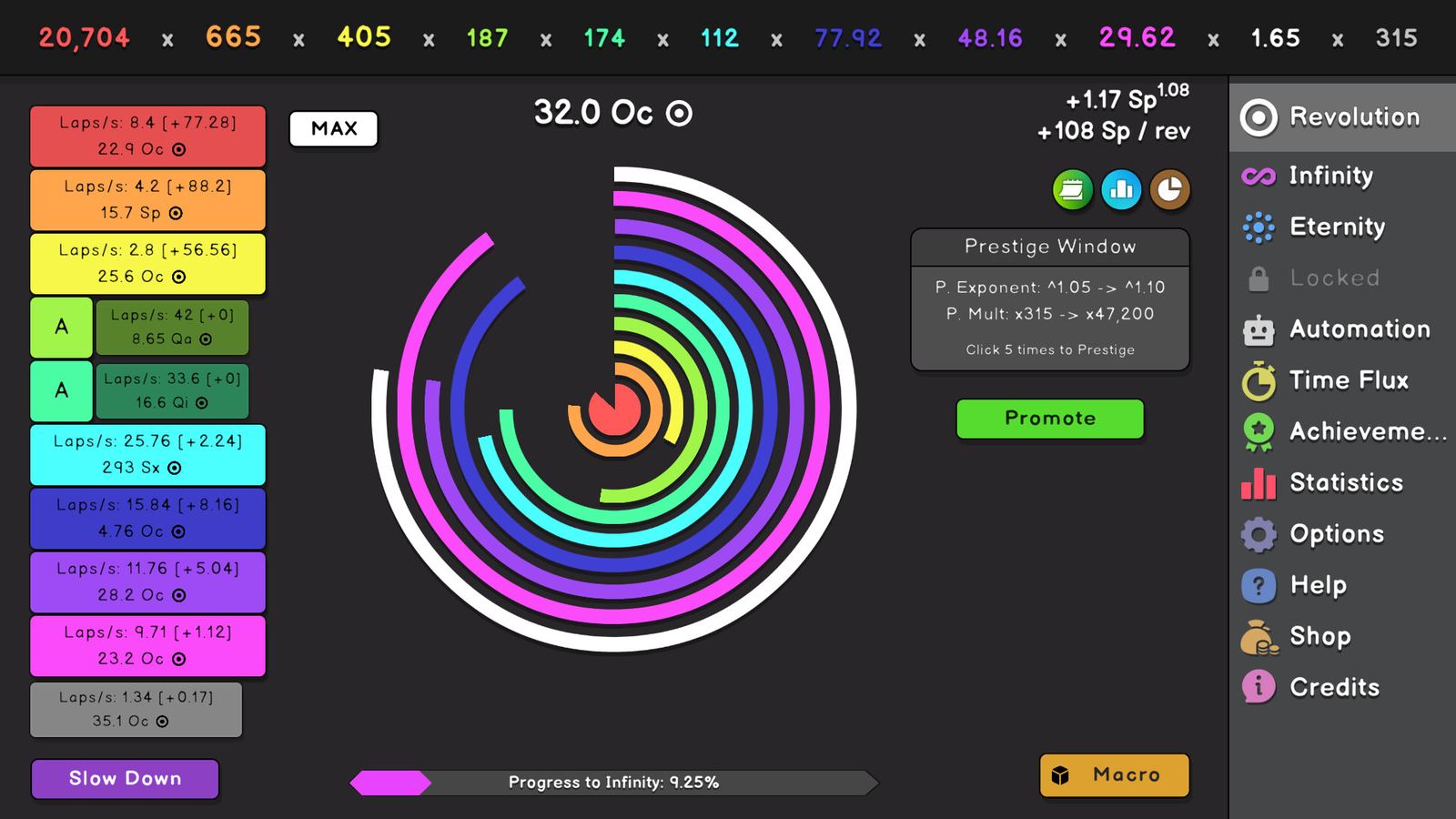
One of the twelve thousand-odd Steam reviews of Revolution Idle reads, in full, 'the circle spinned and i happy 10.1/10 (i also destroyed the multiverse but lets ignore that)'. The grammar is broken, the score runs to eleven, and neither fact stops it being the most accurate review on the page. Here is the shape of the thing: a free incremental game from Nu Games and Oni Gaming, released on the first of May 2025, asking for a gigabyte of RAM and 200 megabytes of hard drive, played by two million-plus people with a 130,000-strong Discord, and reviewed Very Positive at about 87 per cent across thousands of reviews. It achieves all of this by drawing a circle and asking you to watch it spin. You will watch it spin.
What the circles are doing
The machine under the hypnotism is honest and older than you'd think. A circle rotates. As it turns it fills coloured rings, and every completed ring pays you points. Points buy multipliers, which make the rings fill faster, which pays more points, and the flywheel starts. Your first real lever is the colour spectrum, a ladder of upgrades that accelerates the filling itself. Your second is the multiplier's multiplier: prestige, which trades your current run for a permanent boost and raises your exponent, so the growth curve stops being a line and turns into a staircase. The store page states the mid-game goal plainly: 'Reach ~1.79e308 and trigger Infinity', which is a floating-point limit with a party hat on. There's a tutorial, and beyond that a full wiki lives inside the game, which tells you the devs know exactly what kind of confusion is coming.
That's the revolution
The loop earns three scenes. Three is what it takes.
It's Monday morning. Two circles have been spinning in a background window since you slept, banking the overnight pile. You claim it, buy the next multiplier, close the window. Ninety seconds of your life. That's the revolution.
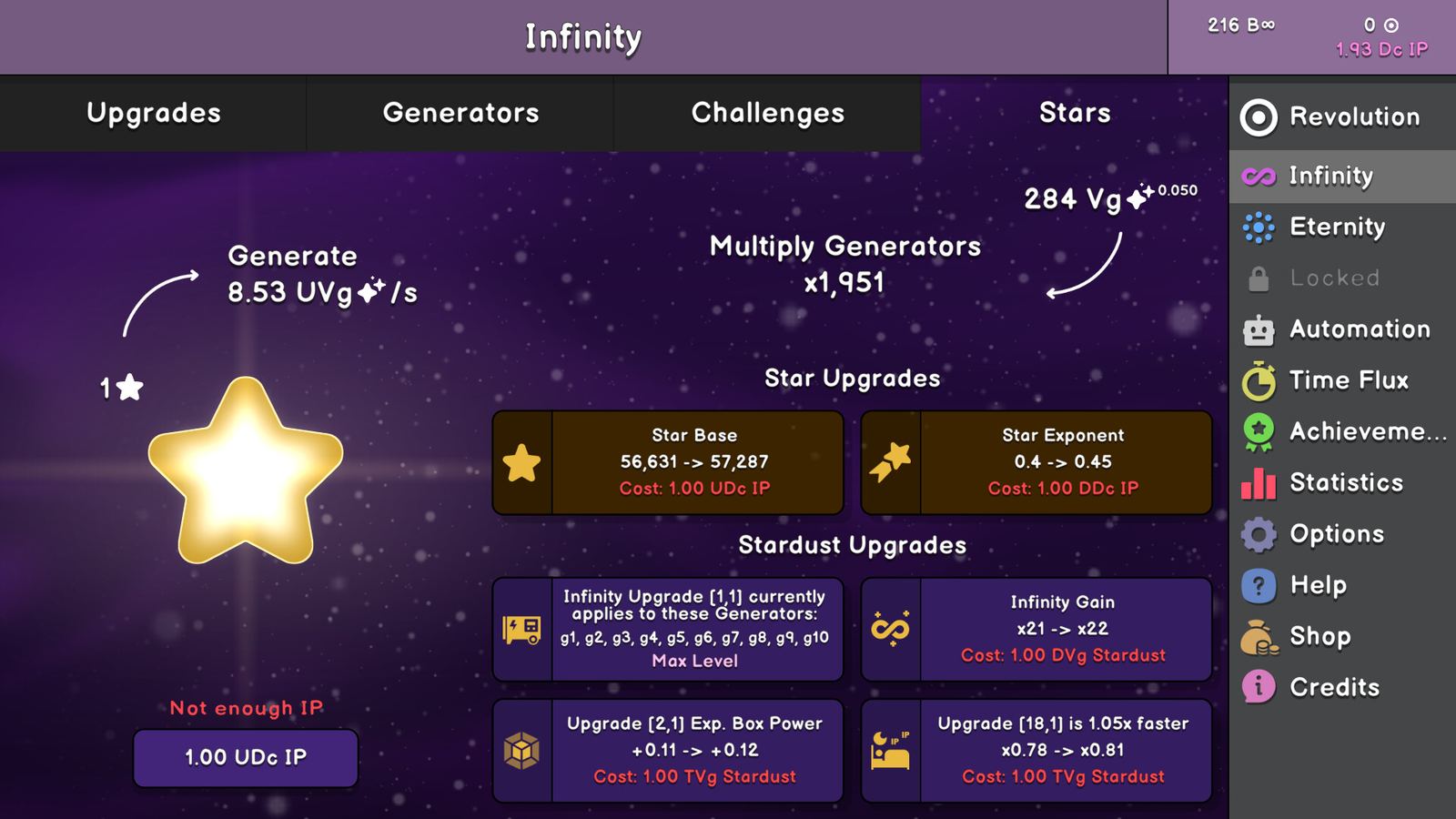
Wednesday, tea-time. Your number touches 1.79e308 and Infinity fires. The screen wipes itself, the multiplier resets, and the wreckage gets salvaged: upgrades, a chain of Generators, Challenges to conquer, and Stars that boost every run you'll ever start again. You're back past your old record before the tea goes cold. That's the revolution.
Sunday. Something that used to eat a whole evening of clicking now does itself. The automation arrived a few steps after the chore it cures, the way it always does here, one unlock behind the tedium it retires. You set it running and go outside. That's the revolution.
Prestige, Infinity, Eternity, Unity
The ladder has four rungs and each one resets the one above it. Prestige multiplies and lifts your exponent. Infinity, at that 1.79e308 ceiling, opens the upgrade trees, the Generators, the Challenges and the Stars. Eternity resets everything 'so you can go even further', in the store page's words, with new systems unlocking step by step as you descend. At the bottom sits Unity, advertised in the game's own copy as 'absurd numbers. New mechanics. Go beyond', which is either a promise or a threat depending on how your weekend is going. Late-game players talk about furniture with names like the dilation tree, and one review counts forty different stages inside that single system, switched between almost constantly. One player at 616 hours sums up the scale: 'I've played for over 600 hours and I'm only 25% in. It physically pains me to play this game.' It's a positive review.
670 achievements
The Steam API counts 670 achievements, which quietly outbids the store page's own claim of '520+ with real progression bonuses'. In most games achievements are stickers. Here each one pays a progression bonus, so the completionist trawl is load-bearing, and the discovery of the number has its own review, written at one hour of play: 'I CAN'T 100% THIS BUT ALSO I REALLY REALLY NEED TO'. Ninety per cent capitals and completely sincere. Elsewhere on the page, a player rates the game 6.5/10 because 'There is a Goat & a Sheep, and they do a little bit, which is better than 0 goats or sheep'. I have no follow-up question.
The Antimatter Dimensions question
Anyone who knows the genre will spot the lineage. One reviewer recommends the game 'to anyone who likes Antimatter Dimensions', calling it similar but still in active development. Another, fifteen hours in, asks why the devs 'stole so many things from Antimatter Dimensions', naming the same unlocks under the same names. Both are describing the same game. My take: the debt is real and openly worn, the layer-per-layer reveal is paced better than most of its ancestors, and the difference that matters is that this one ships free with cross-platform progress synced across PC, Android and iOS, plus offline gains, daily rewards and a global leaderboard to lose to.
The idle question
Now the argument the community actually has. The store page promises 'full automation' and a macro builder for wiring your own strategies, and the automations are real, but they arrive after the chore they fix. For the first stretch the game is closer to an active clicker than an idler, and past Eternity one player reports it 'turns into a strictly active game'. A 1,780-hour veteran says the balance became unmanageable around the shop's time skips, with walls 'measured in tens of minutes' of waiting. A 2,317-hour veteran is kinder: segments of active play, segments you can almost entirely leave. The fairest description sits between them. This is a semi-active incremental that goes idle once you've earned the automation, then finds you new chores. Whether that's a con or the genre's central deal depends on how much of your Tuesday you want back.
The money question
Free, with In-App Purchases, the oldest phrase in the genre, so here is the evidence instead. The most useful review on the page belongs to a player with 201 hours who concludes, in bold, 'I consider getting to Unity to be the end of the free to play game', and then reports spending nothing while getting meaningful progression most of the way there. Another calls it 'not too p2w'. The criticisms cluster on the late game, where paid time skips offer to flatten walls the game itself built, and one player quit over the post-Eternity macro system, 'absolutely hate programming of any kind, tried for years, can't get my head around it'. My read after the numbers: the free game is long, generous and fair, the shop starts mattering exactly when your patience would have broken anyway, and no purchase is required to reach the best part of the game, which is the part where the automation starts paying you.
The verdict
Plainly held: Revolution Idle is one of the two or three best free incrementals on Steam, a game that respects your first hour and eats your next three months. Its design argument, that every system deserves an automation and every automation deserves a successor, is delivered with a discipline the genre rarely manages, and the cost is that the word 'idle' starts doing less work the deeper you go. Start it on a Monday. Watch the circle. Ninety seconds is all it asks, and all it needs. That's the revolution.
Gameplay videos
If you like Revolution Idle
mechanic-matched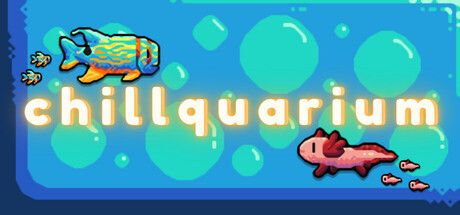
Chillquarium
Worth your timeBuy fish, raise them in real time, open booster packs for rare colours. A Very Positive idle-collection loop that asks nothing of you.

Cornerpond
Worth your timeA chill idle-fishing toy that lives in the corner of your screen. 97% positive, 52 achievements, one legendary fish away from obsession.

Beaver Clicker
An idle game with one goal, collect L O G, and the strangest recruitment pipeline in the genre: squirrels, school field trips and tamed fungi.
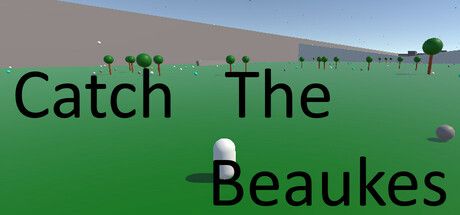
Catch The Beaukes
Spheres fall from the sky. Catch them, upgrade, prestige, and unlock a new sky.