Gods and Idols
Ascend, sculpt planets for your worshippers, then kidnap rival worlds into pocket universes and detonate their suns. A free persistent-universe MMORTS, ambitious and long-abandoned.
by JatteGames · 2016 · Steam
Gods and Idols is one of the most ambitious pitches the incremental-adjacent space has ever hosted, and one of the saddest launch trajectories. JatteGames' free-to-play MMORTS casts you as a newly ascended deity in a persistent universe of hundreds of thousands of star systems, sculpting planets for your worshippers and escalating, when diplomacy fails, to literally deleting rival suns. It has carried a Mixed-leaning verdict for years, and the honest 2026 read is that the idea still towers over the reality.
What the loop feels like
You found a capital, raise a temple, and let the worship roll in while your cities grow. That's Gods and Idols.
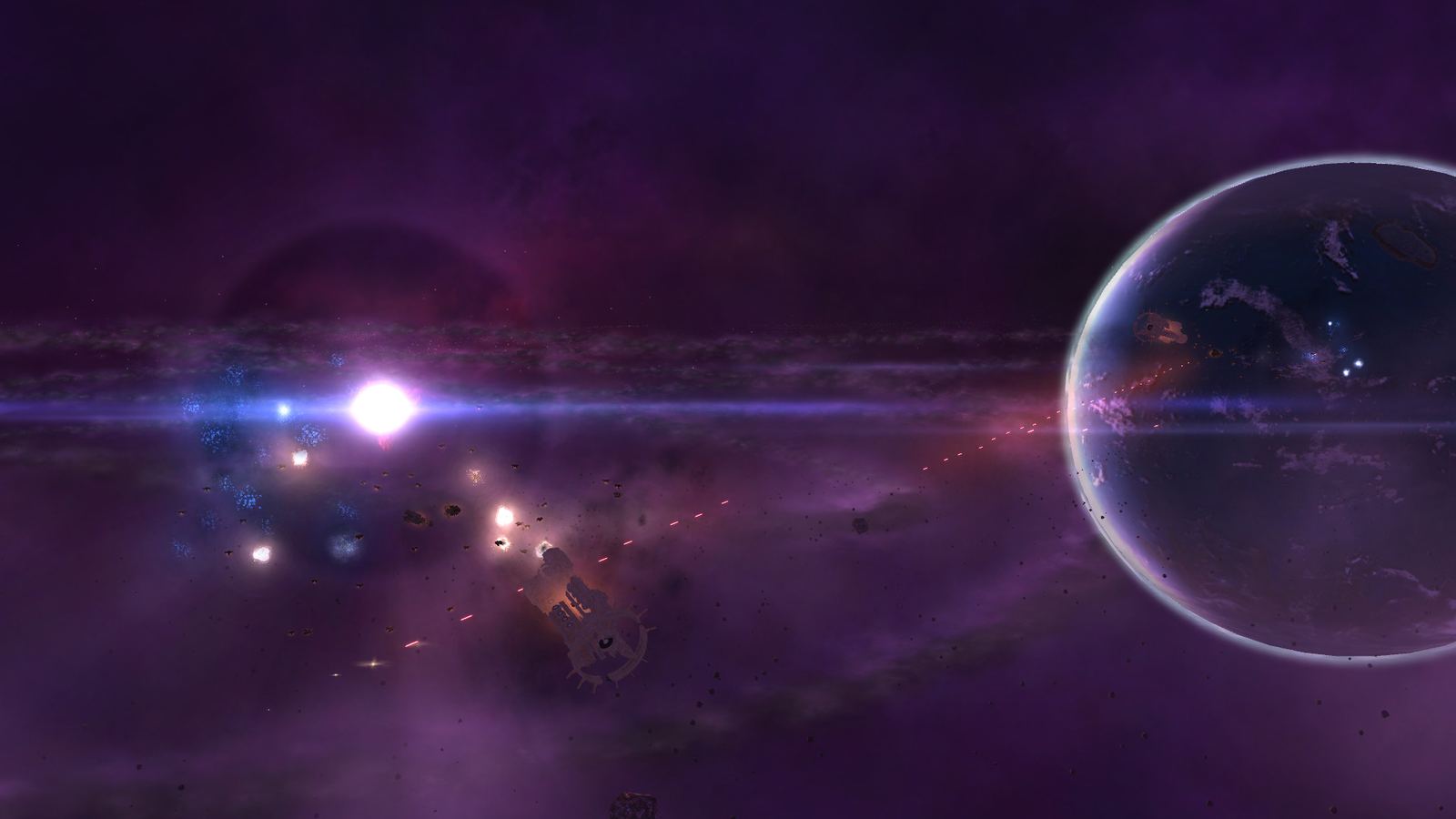
The fleets launch, the asteroid belts fall on an enemy system, and their sun quietly stops existing. That's Gods and Idols.
Worship as an economy
The scale runs from a single city block on a rocky moon up to stellar apocalypse, seamlessly, in a shared persistent universe. Planetary development is the foundation: found capitals, manage warehouses and dozens of resources, build cities, fortresses and the monumental temples that scale your divine attributes. Worship feeds back into cosmic power, and cosmic power is where the game gets strange in the best way: disrupt asteroid belts to rain destruction across a foe's entire system, kidnap enemy planets into a pocket universe of your holding, or trigger artificial supernovas that leave nothing alive. Above it all hangs the Black Sun, an encroaching entropy that frames the endgame as a race to stockpile divine power before the universe's lights go out.
Where it falls short
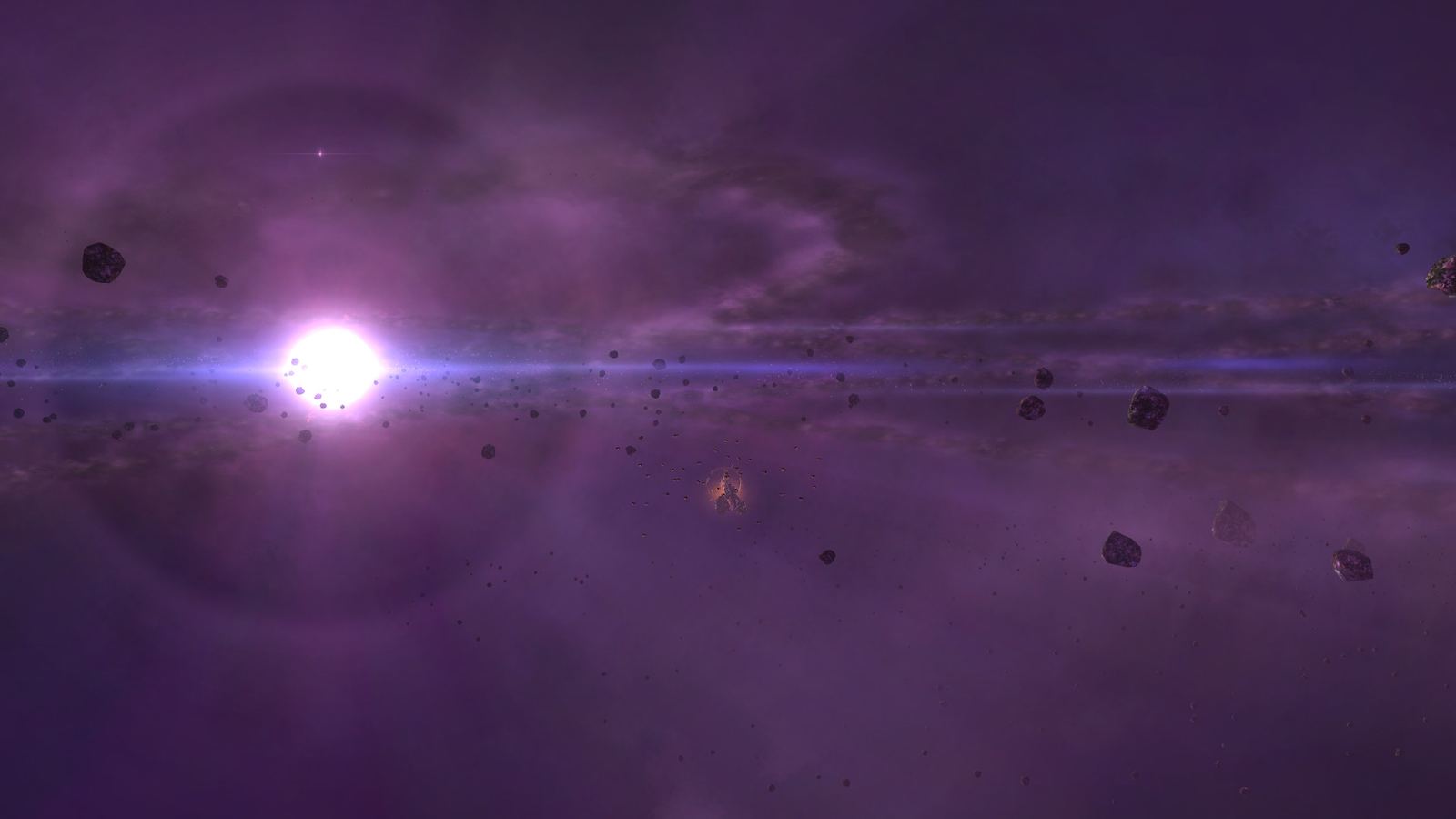
Here the record turns bleak, and it deserves saying plainly. The MMO structure is the concept's load-bearing wall, and the population has dwindled to a ghost town, which strips out the multiplayer dynamic the whole design was built for. Development entered Early Access in 2016 and never truly graduated; major bugs, clunky UI and unfinished mechanics are longstanding complaints. The early game leans on repetitive, RNG-flavored micro-management like the planet accretion minigames, and performance and server connectivity have drawn criticism out of proportion to the tiny concurrent player counts. The community verdict: most of the positivity is nostalgia for the idea, and recent reviews increasingly call it abandoned.
Playing it today
Free on Steam for Windows. It is playable as a single-deity sandbox in a mostly empty universe, so go in for the meditative empire-building and the novelty of throwing asteroids, not for PvP.
The verdict
A cautionary tale and a curiosity in one: the god-scale fantasy remains unmatched, the execution is a museum piece. If you want the cosmic-scale management fantasy without the empty servers, Heart of Galaxy: Horizons delivers a live single-player version, and Junction Gate runs a space empire loop in a browser with its community very much still breathing.
If you like Gods and Idols
mechanic-matched
Assembly Planter
Farm by hand, automate the farm, then compress your entire production line into a single machine and do it all again smaller. The factory must grow, but here it must also shrink.
Cell to Singularity - Evolution Never Ends
GreatA free idle game that taps you through 4.5 billion years of life, from primordial soup to the technological singularity.
Farm Together 2
A real-time co-op farm that keeps growing while you are gone

Sixty Four
One button, one machine, one stark white room, and a factory that assembles itself out of cubes and mysteries.